Precise Interior Removal for Renovation Projects
Interior & Selective Demolition in New Milford for remodeling, tenant improvements, and renovation projects requiring preservation of structural components
Walls, ceilings, flooring, fixtures, and cabinetry wear out or become functionally obsolete before the surrounding structure requires replacement. Northeast Recycling performs selective demolition in New Milford for homeowners, contractors, and commercial renovation projects that need interior finishes removed while preserving load-bearing walls, foundation systems, and structural framing. You receive debris removal that separates recyclable materials from general waste, reducing landfill disposal and keeping work areas clean for the next construction phase.
Selective demolition involves removing specific interior components without damaging adjacent surfaces or structural systems. This process requires careful cutting, disconnection of utilities before removal, and systematic debris clearing that allows new finishes, updated layouts, or upgraded mechanical systems to be installed without structural complications.
Arrange an on-site consultation to review which interior elements require removal and how demolition sequencing aligns with your renovation timeline.
What Proper Selective Demolition Requires
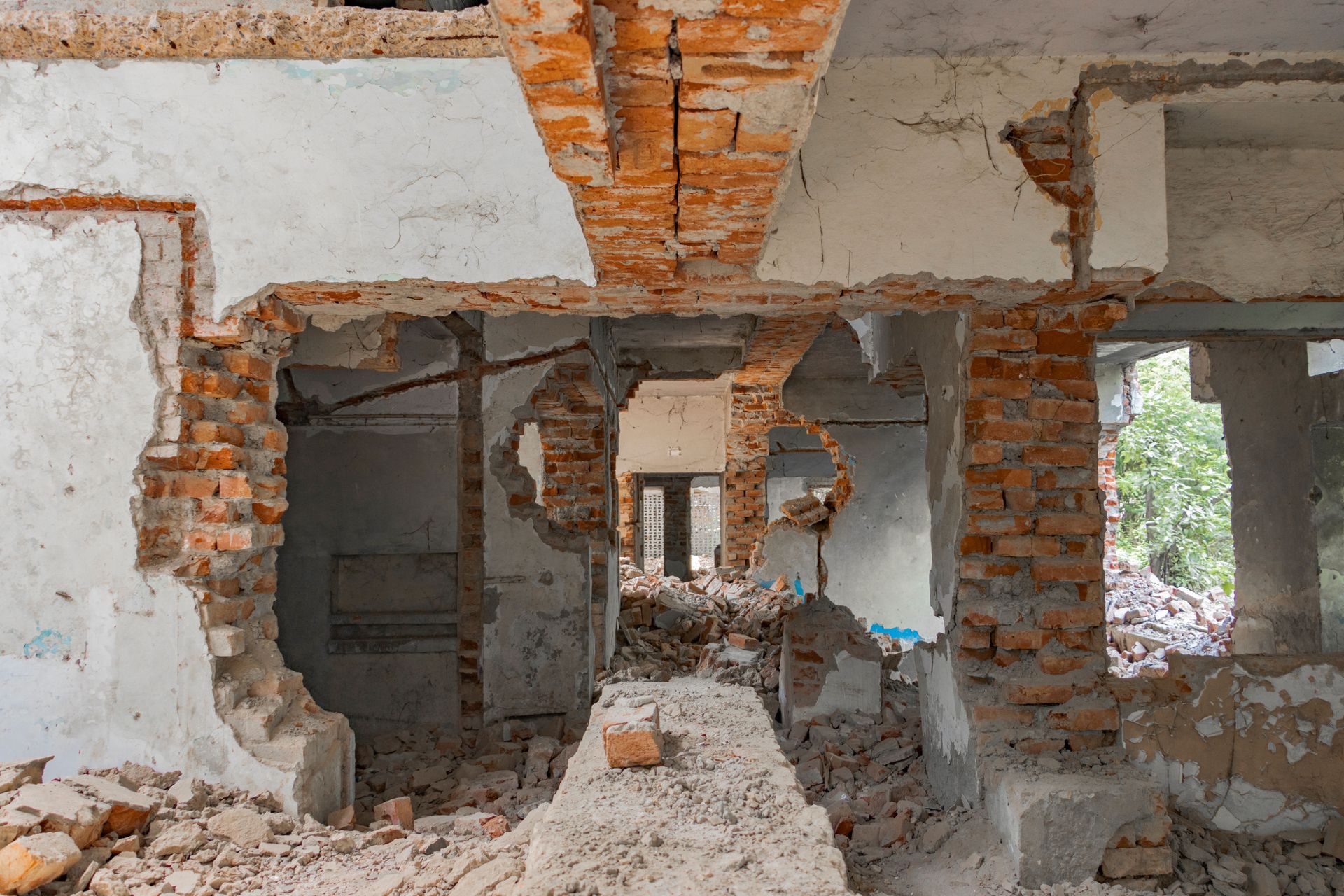
Interior demolition begins with identification of load-bearing components, utility disconnections, and protection measures for surfaces or systems that remain in place. Walls are cut along studs rather than torn randomly, ceilings are removed in sections to expose framing without collateral damage, and flooring is lifted systematically to avoid subfloor destruction.
Once demolition completes, your space is cleared of debris, swept clean, and ready for framing inspection or installation of new finishes. Doorways become accessible without obstructions, ceiling joists are exposed for electrical and HVAC routing, and subfloors are visible for repair assessment. Recyclable metals from fixtures, cabinetry hardware, and plumbing components are separated during removal, reducing the volume of waste sent to landfills.
Selective demolition differs from total teardown in its focus on preservation and precision. Tenant improvement projects in commercial buildings, for example, require removal of partition walls and drop ceilings while maintaining perimeter structure, fire-rated assemblies, and shared utility systems that serve adjacent tenant spaces.
Questions About Interior Demolition Services
Contractors and property owners preparing for renovation work frequently ask about selective demolition methods, material separation, and site readiness before scheduling interior removal.
What types of interior components are typically removed during selective demolition?
Walls, ceilings, flooring, fixtures, cabinetry, countertops, trim, doors, and interior finishes are removed based on renovation plans. Structural framing, load-bearing walls, foundation components, and exterior assemblies remain intact unless the project specifically includes structural modifications.
How is debris managed during interior demolition projects?
Debris is collected in designated containers, sorted to separate recyclable materials like metal fixtures and wiring from drywall, wood, and general waste. This separation reduces disposal costs and supports environmentally responsible material handling throughout the renovation process.
What challenges arise in older buildings during selective demolition?
Older structures in Northeastern Pennsylvania may contain outdated wiring, plaster-and-lath wall assemblies instead of drywall, and dimensional lumber framing that complicates clean removal. These conditions require adjusted techniques to avoid unintended structural damage or excessive repair requirements after demolition completes.
When should selective demolition occur relative to renovation phases?
Demolition should complete before framing inspection, mechanical rough-in, or finish installation begins. Scheduling demolition too late delays the entire renovation timeline, while premature removal leaves the space exposed to weather, dust accumulation, or unauthorized access before construction crews arrive.
What preparation steps improve selective demolition efficiency?
Clearing furniture, disconnecting utilities at shutoff points, and removing personal belongings before demolition crews arrive reduces project duration and prevents accidental damage to items not scheduled for removal. Contractors benefit from coordinating demolition timing with material delivery schedules to maintain continuous workflow.
Northeast Recycling supports renovation projects with precise interior demolition that leaves structural components intact and work areas prepared for construction. Contact us to schedule selective demolition services tailored to your remodeling timeline and project scope.