Debris Removal That Keeps Projects Moving
Construction Site Cleanup in New Milford for residential, commercial, and industrial job sites requiring removal of scrap metal, wood, drywall, concrete, and general construction waste
Construction debris accumulates daily on active job sites, creating hazards for workers, obstructing material staging areas, and slowing project progress when waste removal falls behind production schedules. Northeast Recycling removes construction debris from residential, commercial, and industrial job sites in New Milford, collecting scrap metal, wood scraps, drywall offcuts, concrete rubble, masonry debris, packaging materials, and general waste that interferes with efficient workflow. Contractors working across Northeastern Pennsylvania maintain cleaner, safer, and more organized work environments through reliable cleanup services that align with construction timelines.
Construction site cleanup involves scheduled debris collection, separation of recyclable scrap metal to reduce disposal costs, and systematic clearing that keeps access routes open and work zones unobstructed. This service prevents waste pile growth that triggers code violations or delays inspection approvals.
Schedule recurring or one-time cleanup services based on your project duration, crew size, and debris generation rate.
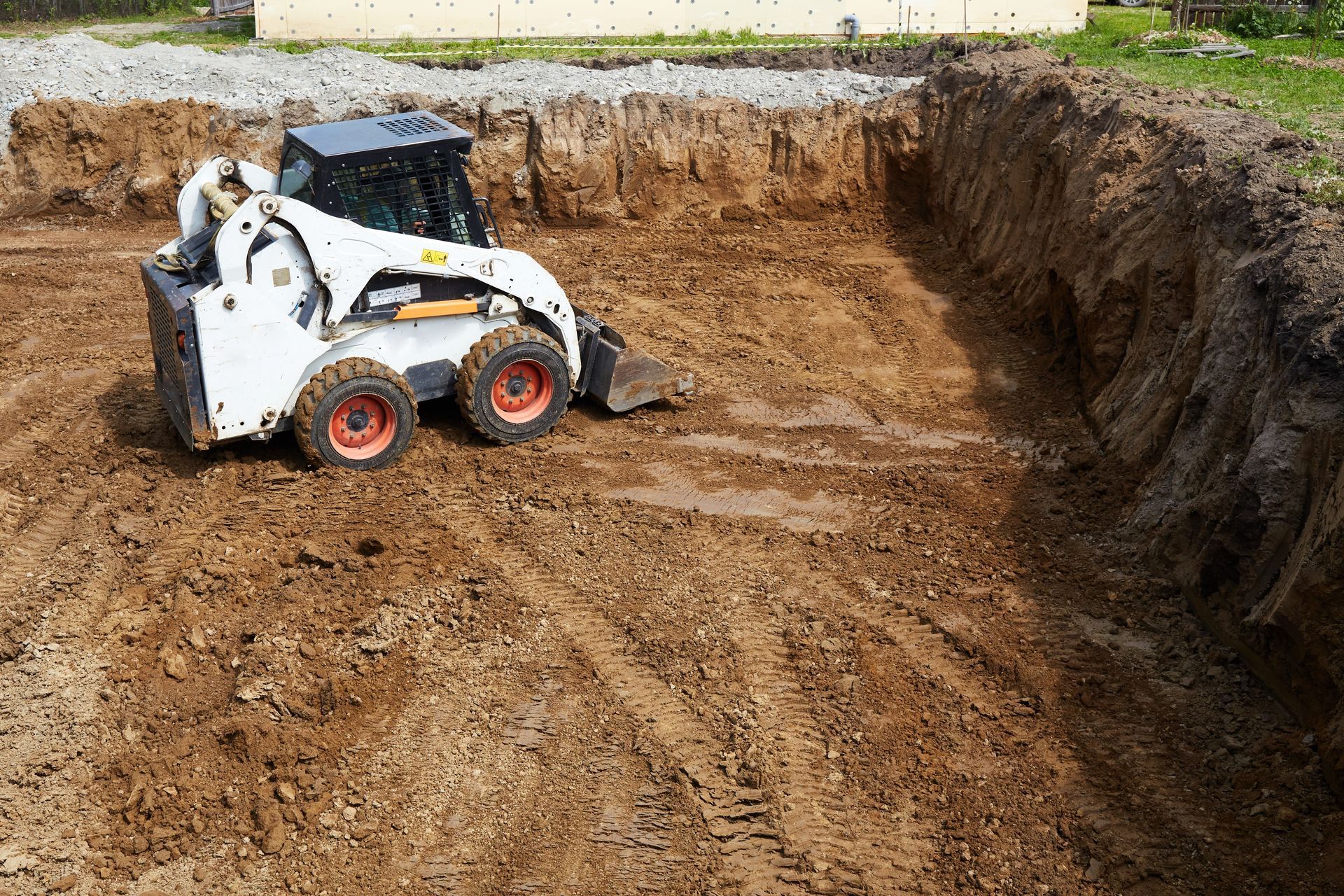
How Regular Cleanup Improves Job Site Safety
Cleanup begins with debris collection from designated staging areas, separation of recyclable metals like wire, conduit, framing scraps, and fixture components, and removal of waste that blocks equipment movement or creates tripping hazards. Scrap metal recovery offsets disposal expenses, particularly on commercial projects with extensive HVAC installations, electrical rough-ins, or structural steel work.
After cleanup, your site becomes navigable for delivery trucks, accessible for inspection walkthroughs, and visibly organized for client visits or contractor coordination meetings. Material staging areas remain clear for incoming deliveries, tool storage zones stay functional without buried equipment, and walkways provide safe passage for workers moving between project phases. Regular cleanup prevents the compounding delays caused by searching for buried tools, repositioning equipment around waste piles, or halting work to clear emergency access routes.
Cleanup frequency depends on crew size and project intensity. High-activity commercial sites with multiple trades working simultaneously generate debris faster than single-crew residential remodeling projects, requiring more frequent removal to maintain workflow efficiency. Winter conditions in Northeastern Pennsylvania complicate debris management when snow covers waste piles or frozen ground prevents container placement, making scheduled cleanup during accessible weather periods especially valuable.
Common Site Cleanup Questions
Contractors managing residential, commercial, and industrial construction projects throughout New Milford often ask about cleanup scheduling, material handling, and cost management before establishing debris removal routines.
What types of debris are collected during construction site cleanup?
Scrap metal, wood offcuts, drywall scraps, concrete rubble, masonry debris, packaging materials, and general construction waste are collected. Recyclable scrap metal is separated to reduce disposal costs, while remaining waste is hauled to appropriate facilities based on material type and disposal regulations.
How does scrap metal separation reduce construction costs?
Recyclable metals like copper wire, steel framing scraps, aluminum flashing, and metal conduit are separated during cleanup and transported for recycling. This separation offsets hauling and disposal fees, with cost savings increasing on projects involving extensive mechanical, electrical, or structural metal work.
What distinguishes one-time cleanup from recurring services?
One-time cleanup addresses accumulated debris at project milestones or completion, while recurring services maintain continuous debris removal throughout active construction phases. Recurring cleanup prevents waste buildup that obstructs workflow, while one-time services prepare sites for inspection or final occupancy.
When should cleanup be scheduled to minimize project delays?
Cleanup should occur before debris piles obstruct access routes, block material staging areas, or create safety hazards that halt work. Scheduling cleanup at phase transitions—after framing, before drywall installation, or following rough-in inspections—maintains continuous workflow without debris-related interruptions.
What site access requirements affect cleanup logistics?
Cleanup crews require vehicle access to debris staging areas and sufficient clearance for loading equipment. Sites with narrow driveways, limited street parking, or steep terrain may require adjusted collection methods or extended service times to complete debris removal safely.
Northeast Recycling provides construction site cleanup services that help contractors maintain safer, more organized work environments and keep projects moving efficiently. Request recurring or one-time cleanup tailored to your job site conditions and project schedule.