Heavy Equipment and High-Volume Metal Recovery
Industrial Scrap & Site Clearing in New Milford for manufacturing facilities, fabrication shops, warehouses, agricultural operations, and industrial businesses requiring removal of machinery, structural steel, production equipment, and high-volume scrap metal
Manufacturing facilities, fabrication shops, warehouses, and agricultural operations in Northeastern Pennsylvania accumulate heavy machinery, structural steel, production equipment, piping, tanks, and high-volume scrap metal that require specialized removal before renovations, equipment upgrades, business relocations, or property redevelopment. Northeast Recycling partners with industrial businesses in New Milford to remove heavy equipment, purchase industrial scrap while providing prompt hauling services, and clear facilities for next-phase construction. This approach maximizes recovery value for recyclable metals while clearing sites efficiently for redevelopment or operational changes.
Industrial scrap removal involves assessment of equipment size and metal composition, coordination of heavy hauling logistics, and systematic site clearing that removes structural components without damaging surrounding infrastructure. Unlike light commercial cleanup, industrial clearing requires equipment capable of handling multi-ton machinery, steel framing assemblies, and bulk metal volumes generated during facility decommissioning.
Contact Northeast Recycling to discuss equipment specifications, site access conditions, and scrap metal recovery opportunities for your industrial facility.
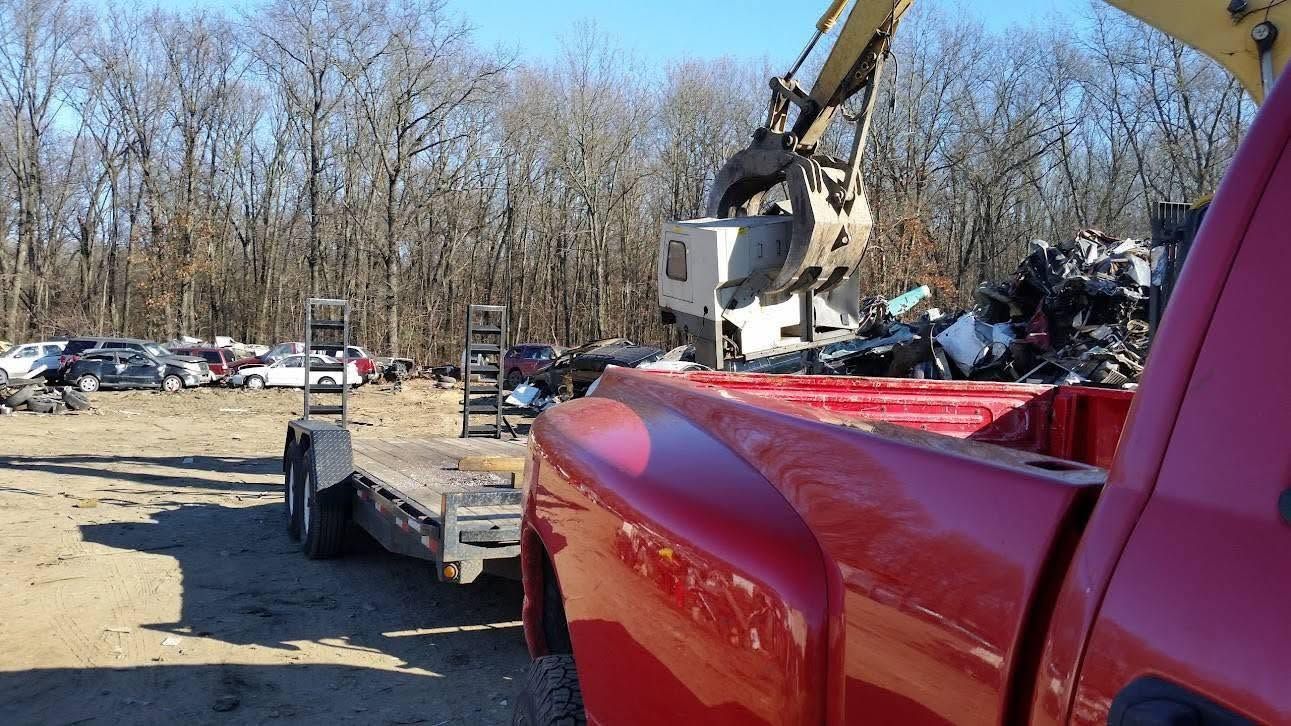
What Changes After Industrial Site Clearing Completes
Industrial site clearing begins with equipment assessment, disassembly planning for machinery too large to remove intact, and coordination with facility managers to avoid disrupting ongoing operations. Heavy machinery is disconnected from utilities, structural steel is cut into transportable sections, and scrap metal is sorted by composition to maximize recycling value.
After clearing completes, your facility becomes accessible for renovation crews, open for new equipment installation, and visibly cleared of obsolete machinery that occupied production floor space. Properties prepared for sale or lease present as functional industrial spaces rather than cluttered facilities filled with decommissioned equipment. Scrap metal purchases offset hauling costs, with recovery value increasing significantly on facilities containing stainless steel, copper components, aluminum assemblies, or high-grade structural steel.
Site clearing also addresses underground tanks, buried piping, and foundation-mounted equipment that complicate redevelopment if left in place. Agricultural operations benefit from removal of outdated grain handling equipment, irrigation piping, and structural supports that interfere with modern mechanized farming practices or property conversion to alternative uses.
Industrial Scrap and Clearing Considerations
Industrial facility managers, property developers, and business owners preparing for renovations or relocations frequently ask about equipment removal logistics, scrap valuation, and site clearing timelines before scheduling industrial services.
What equipment types are removed during industrial site clearing?
Heavy machinery, production equipment, structural steel, piping, tanks, conveyors, HVAC systems, electrical panels, transformers, and fabrication equipment are removed based on facility decommissioning plans. Equipment may be disassembled on-site if size or weight exceeds transport capacity for intact removal.
How is scrap metal valued during industrial clearing projects?
Scrap value depends on metal composition, weight, current market pricing, and contamination levels from attached non-metal components. Stainless steel, copper, aluminum, and high-grade structural steel command higher recovery values than mixed construction metals or equipment with significant plastic, rubber, or composite material content.
What site conditions affect industrial clearing timelines in New Milford?
Equipment size, building access dimensions, floor load capacity for heavy hauling equipment, and proximity to loading areas all influence clearing duration. Facilities with overhead cranes or loading docks expedite removal compared to properties requiring outdoor crane placement or disassembly before transport.
When should industrial clearing occur relative to facility renovations?
Clearing should complete before structural modifications, utility upgrades, or new equipment installation begins. Early clearing prevents construction delays caused by unexpected equipment removal complications and allows accurate assessment of floor conditions, utility routing, and structural integrity once machinery is removed.
What distinguishes industrial scrap removal from commercial demolition?
Industrial scrap removal focuses on equipment and metal recovery from operational or recently decommissioned facilities, while commercial demolition involves complete structural teardown. Industrial projects prioritize scrap value maximization and facility preservation for continued use, whereas demolition prepares sites for redevelopment by removing all structural components.
Northeast Recycling provides customized scrap management and site clearing solutions for manufacturing facilities, fabrication shops, warehouses, agricultural operations, and industrial businesses throughout New Milford. Reach out to discuss your equipment removal needs, scrap recovery opportunities, and site clearing timeline requirements.